
The evolution of gambling a historical perspective on risk and reward
The Origins of Gambling
The practice of gambling can be traced back to ancient civilizations, where it was often intertwined with religious and cultural practices. Archaeological findings suggest that games of chance were played in ancient Mesopotamia around 3000 BCE, with artifacts like dice and betting tokens providing evidence of this early form of gambling. It was not merely about the thrill; these games served as a way to connect with the divine, offering participants a chance to leave their fate in the hands of the gods. Today, those interested in the latest trends in gaming can explore the best online casino options available for a modern take on these ancient pastimes.
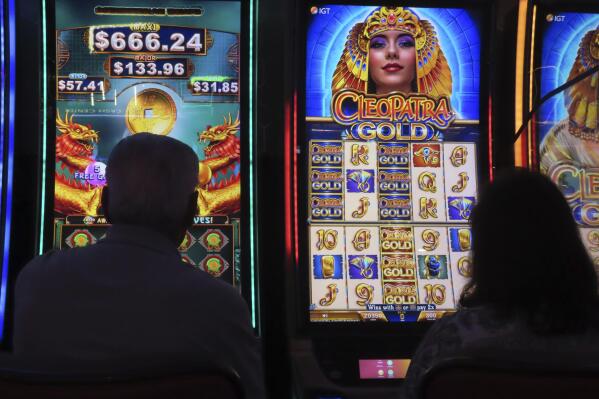
Similarly, the ancient Egyptians participated in various betting games, some of which involved the use of senet boards that are thought to have had gambling elements. As trade routes expanded, so did the spread of gambling activities across different cultures, ultimately establishing a rich tapestry of gaming that would evolve through the ages.
The Rise of Structured Betting
The Middle Ages marked a significant shift in the nature of gambling. During this period, card games gained popularity, particularly in Europe, leading to the development of structured betting systems. The introduction of playing cards, believed to have originated in China, transformed gambling into a more organized endeavor. The establishment of formal rules and protocols made games more strategic and heightened the excitement surrounding risk and reward.
This era also saw the emergence of gambling houses and the first casinos. By the 17th century, Venice had established the first official casino, where nobles and commoners alike could indulge in games of chance. This transition from informal gambling to regulated establishments marked a crucial evolution in the gambling landscape, laying the groundwork for modern gaming industries.
The Industrial Revolution and Gambling Expansion
The Industrial Revolution brought unprecedented changes to society, including the gambling industry. The proliferation of railroads and telegraphs enabled information to travel faster, allowing betting on horse races and other events to flourish. This period also saw the introduction of betting shops, making gambling more accessible to the masses. People could place bets without having to travel long distances to gaming houses.
As gambling became more mainstream, governments started to recognize its potential for revenue generation. Lotteries became popular, especially in the 18th and 19th centuries, as they were seen as a legitimate means to fund public projects. This acceptance of gambling marked a significant turning point, making it a part of everyday life and contributing to its ongoing evolution.
The Modern Era of Gambling
The late 20th and early 21st centuries witnessed a dramatic transformation in the gambling industry, largely driven by technological advancements. The rise of the internet paved the way for online gambling, allowing players to engage in their favorite games from the comfort of their homes. Virtual casinos and betting platforms exploded in popularity, offering a wide range of gaming options that traditional establishments could not match.
Mobile technology has further revolutionized gambling, making it possible for individuals to gamble on-the-go. Apps and mobile sites have become integral to the gambling experience, allowing for quick and convenient access to a plethora of games and betting opportunities. This evolution has not only increased the number of participants but has also changed the dynamics of risk and reward, as players can now engage in gambling activities at any time and in any place.

Ensuring Safety in Online Gambling
As gambling continues to evolve, particularly in the online space, ensuring the safety and security of users has become paramount. Websites dedicated to gambling information emphasize the importance of protecting personal and financial data from online threats. Users are encouraged to engage only with reputable sites that utilize advanced security measures, ensuring a safe gambling experience.
The interaction between technology and gambling continues to shape the industry, highlighting the need for ongoing dialogue about responsible gaming and consumer protection. As gambling evolves, so too must the strategies to safeguard users against potential risks, making it essential for platforms to prioritize security while offering enticing rewards.